
Physics Systems
Understand Sandustry's pixel physics: sand absorption, the full water cycle, boiling and steam, lava flows and individual pixel simulation.
Introduction
Sandustry's signature feature is its pixel-level physics simulation. Sand, snow, seeds, spores and ice chips each behave as individual physical pixels. The most visible system is the water cycle: ice melts into water, water boils into rising steam, and steam condenses and returns as rain. Sand absorbs surrounding water, lava can be redirected, and slag burns. Understanding these interactions unlocks the game's deepest strategies, because the physics is not cosmetic — it is a real, exploitable simulation that you can integrate into your production chains and use to control your environment.
Element Interaction Reference
| Element | Interaction | Result |
|---|---|---|
| Ice | Heated by fire | Melts into water |
| Water | Boiled by heat | Rises as steam |
| Steam | Condenses | Returns as rain |
| Sand | Absorbs water | Drains reservoirs |
| Lava | Flows and redirects | Shapes terrain |
Physics Systems
Water Cycle
The complete simulated loop: ice melts into water when heated, water boils into rising steam, and steam condenses and returns as rain. It is not a cosmetic effect — the cycle is real, exploitable physics that you can integrate into production chains and environmental control, making it the single most important physics system to understand in Sandustry.
Sand Absorption
Sand absorbs surrounding water, slowly draining reservoirs and pools over time. This is a critical constraint on water management — build reservoirs away from sandy terrain, or they will shrink. It also means flooding an area with sand can intentionally remove water, which is occasionally useful for clearing flooded terrain.
Lava Flows
Lava flows through deep terrain and can be redirected to shape your factory. It is dangerous to walk into but highly exploitable — heat-based production thrives near lava, and terrain channels can steer it where you need the heat. Digging channels is the key technique for making lava safe and useful at the same time.
Slag Burning
Slag can be burned and further processed into new resources. This closes the production loop: burning processes produce slag, and the slag is burned and refined again. It is a physics-driven recycling system that turns waste into value, and feeding a dedicated slag burner from every process that produces slag keeps your factory clean.
Pixel Simulation
The foundation of everything: sand, snow, seeds, spores and ice chips each behave as individual physical pixels. This is what makes Sandustry feel alive — materials fall, flow, absorb, melt and react in ways you can observe and exploit, rather than following invisible scripted rules, and it is the reason every physics guide in this category is worth reading.
Core Mechanics
The physics engine treats every pixel as an independent element with its own behavior. Sand falls and piles, water flows and is absorbed, ice holds its shape until heated, steam rises, lava spreads. Because these behaviors are simulated rather than scripted, they create emergent results: a water pool drains near sand, steam condenses on cold surfaces, and a careless excavation can flood your tunnels. Mastery comes from predicting these interactions. The physics-systems category explains each element's behavior in detail, so you can design factories that work with the simulation rather than fighting against it, and turn the water cycle into a production asset instead of a hazard.
Advantages
The pixel simulation is what makes Sandustry special. It turns simple materials into a living environment, and it rewards experimentation — the water cycle, sand absorption and lava flows are all exploitable mechanics, not just visuals. This physics-first design is also what gives the game its distinctive look and feel, and it sets Sandustry apart from more abstract factory games. For the wiki, the physics category is rich territory because the simulation produces consistent, observable rules that can be documented precisely and tested by players, which makes for reliable and genuinely useful guides.
Challenges
Physics systems add real difficulty. Water management is constant because sand absorption drains reservoirs. Steam and rain can have unintended consequences if you are not careful with heat placement. Lava is dangerous to work near, and the individual-pixel behavior means large-scale terrain changes can produce surprising results that are hard to predict in advance. Because the simulation is so granular, even small mistakes — a single sand block touching your water pool — can have visible consequences that grow over time, and players must stay alert to how their terrain changes are affecting the environment.
Frequently Asked Questions
Why does my water keep disappearing?+
How does the water cycle actually work?+
Can I use lava safely?+
Quick Tips
Keep water reservoirs large and away from sand — absorption is constant and predictable, and a single sandy block touching the pool will slowly drain it over time.
Use heat deliberately: boil water where you want steam, melt ice where you want water, and position boilers so the rising steam condenses where your factory needs it most.
Treat lava like a resource, not just a hazard — redirected flows provide free heat for production, and terrain channels let you steer it safely around your base.
Featured
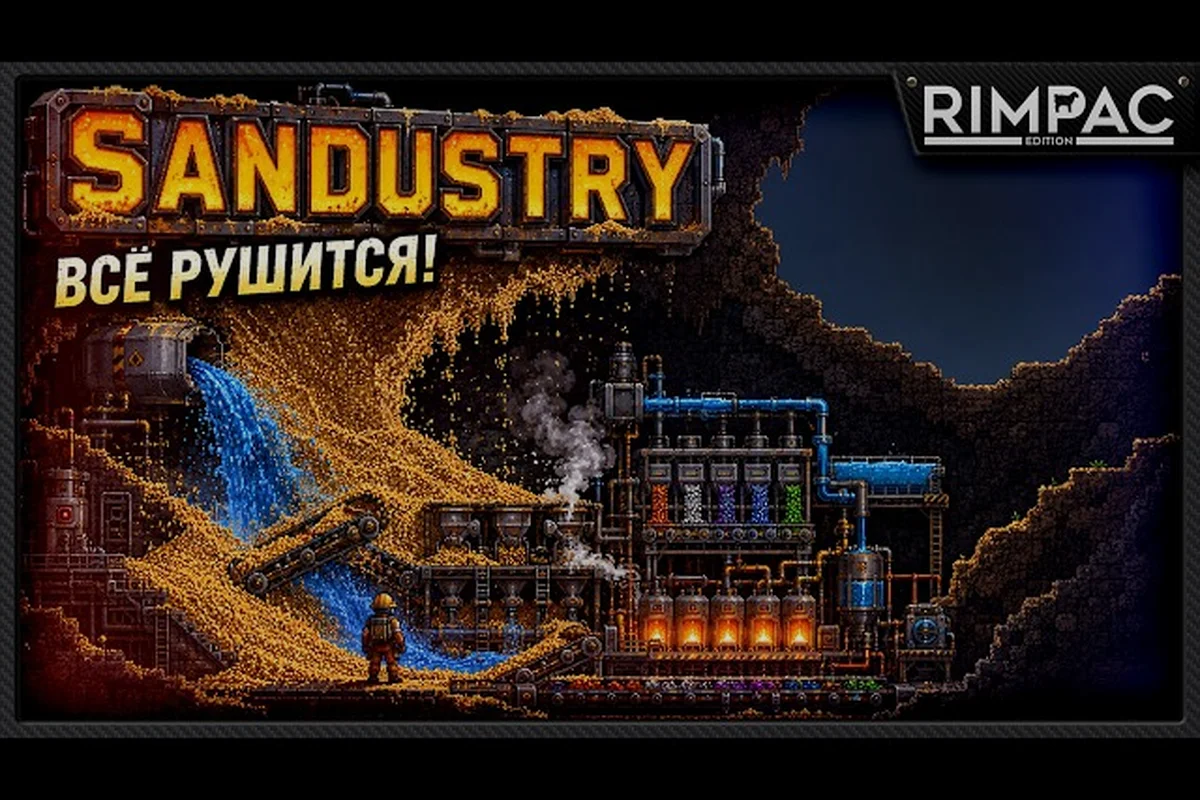
Sandustry Physics Guide: Water, Steam, Ice and Lava Rules
A Sandustry physics guide to simulation mechanics: liquid simulation, sand mechanics, element reactions and the exact rules behind ice melting.
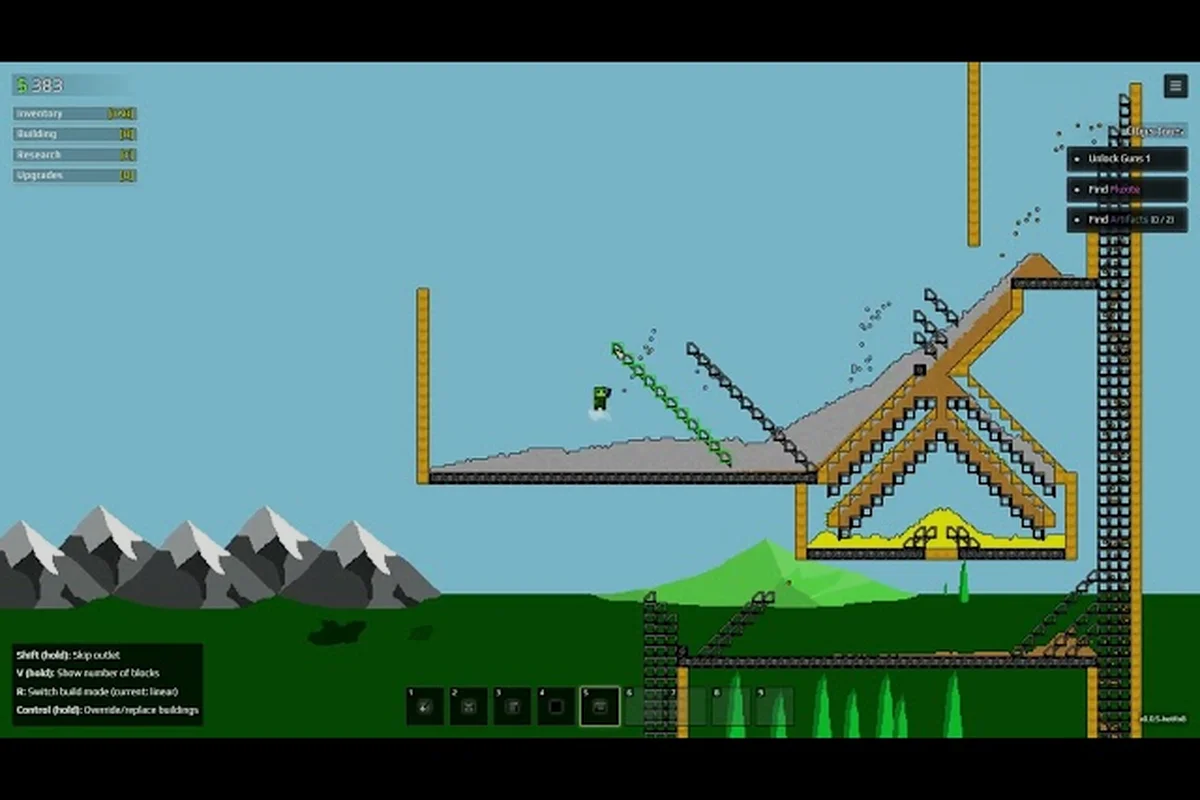
Sandustry Sand Physics: Falling, Absorption and Simulation
Understand Sandustry sand physics: how sand falls, absorbs surrounding water and interacts with the pixel simulation that powers the whole world.
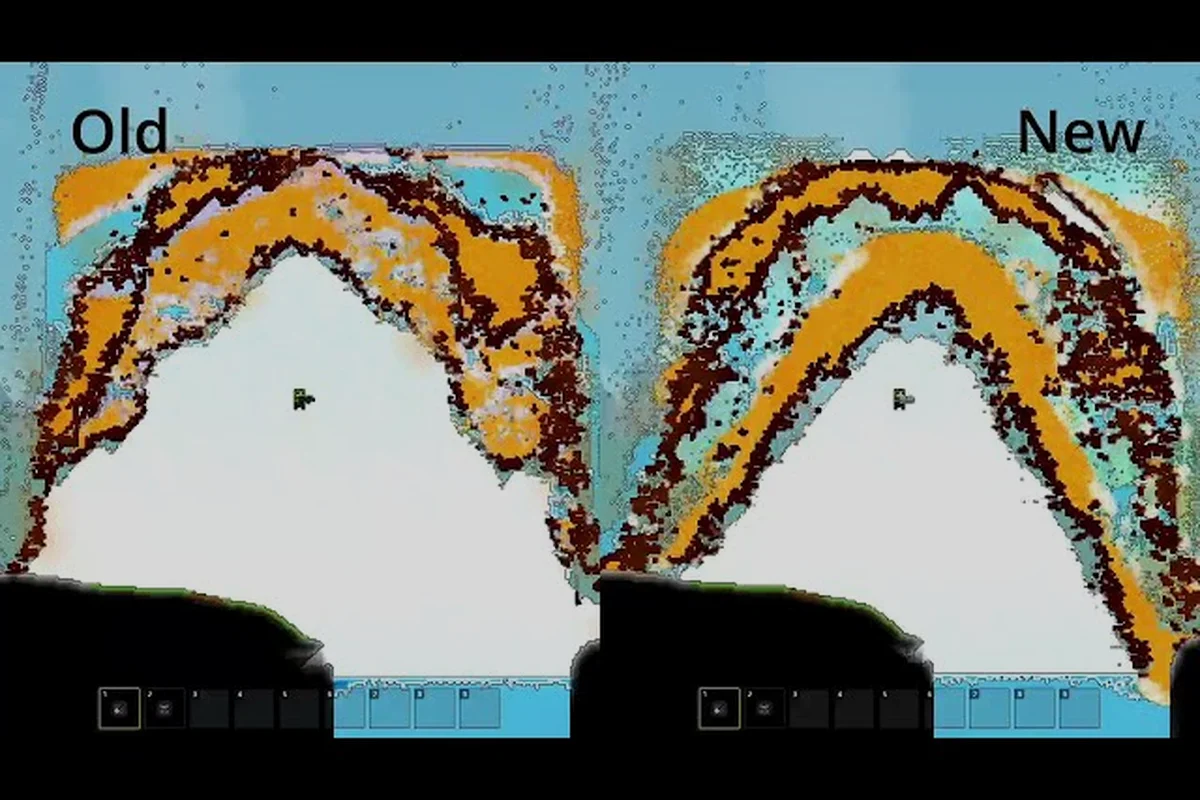
Sandustry Simulation Explained: How Every Pixel Behaves
See Sandustry simulation explained: water mechanics, ice physics, snow melting and pixel behavior that make every single grain act individually.
All Articles

Sandustry Temperature Guide: Manage Heat Across Your World
Manage Sandustry temperature with guides to thermodynamics, condensation, heating and cooling, and use lava as a reliable heat source for production.
Sandustry Boiling Guide: Reach the Boiling Point Quickly
Use a Sandustry boiling guide to reach the boiling point fast: sand physics, simulation, steam and rain rules explained with practical setups.
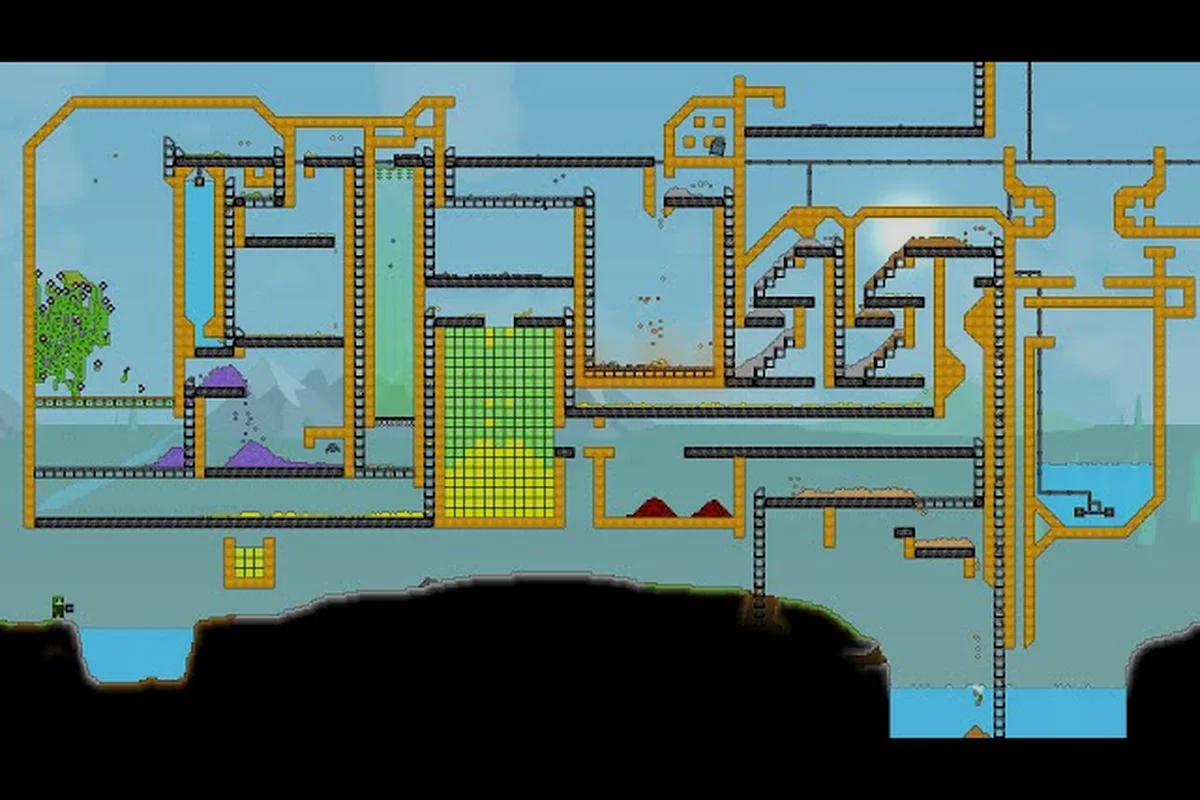
Sandustry Boiling Water: Heat, Steam and the Rain Cycle
Learn Sandustry boiling water mechanics: apply heat, watch water become rising steam, and see condensation return that water back down as rain.

Sandustry Steam Guide: Rise, Condense and Recycle Water
A Sandustry steam guide to the rain cycle, water absorption and physics systems, plus practical ways to recycle steam back into usable water.
Sandustry Temperature Mechanics: Heat, Melting and Cooling
Explore Sandustry temperature mechanics: element interactions, sand-water contact, ice turning to water and steam condensing back into rain.