
Materials
Every pixel is a resource. Learn how to find and process Sandustry materials — sand, gold, ice, snow, water, slag, seeds and spores — for your factory.
Introduction
In Sandustry, every pixel of the world is a potential material. Sand is the universal building block you mine from the start, gold is the wealth extracted by sifting it, ice and snow melt into water, water boils into steam, and slag — the byproduct of burning — can itself be processed into new resources. Seeds and spores add a biological layer. Understanding where each material comes from and what it turns into is the foundation of every production chain. The materials category documents each resource in detail, including where to find it, how to process it, and the chains that consume it, so you always know what to mine next.
Material Quick Reference
| Material | How to Get | Main Use |
|---|---|---|
| Sand | Mine anywhere on the surface | Building block, sifting source |
| Gold | Sift sand at a processing station | Early progression and trade |
| Ice & Snow | Ice fields and cold biomes | Melts into water |
| Water & Steam | Melt ice, boil water | Production chains and power |
| Slag | Burning byproduct | Burned and further processed |
Material Profiles
Sand
Sand is the universal starting material and arguably the most important resource in the game. It appears everywhere on the surface, is the raw input for sifting gold, and behaves physically — it falls, piles up and absorbs surrounding water. You will never run out of it, but managing it is constant, and storing it away from water reservoirs is a core discipline of factory design.
Gold
Gold is the premium resource recovered by sifting sand and the driver of early progression. It is rare enough to be valuable but common enough to farm steadily once you automate sifting. Gold income is the clearest measure of how well your starter factory is performing, and automating the sand-to-gold line is the first major milestone of every Sandustry playthrough.
Ice & Snow
Ice and snow are the frozen forms of water found in cold biomes and ice fields. They do not flow like liquid but melt into water when exposed to heat — a flamethrower is the classic tool. Because water is so widely needed, ice fields are strategic mining grounds, and melting ice near your factory beats piping water across long distances.
Slag
Slag is the burned byproduct of other processes, and instead of being waste it can be burned and further processed into usable resources. It is a great example of Sandustry's closed-loop design, where the output of one machine feeds the input of another and very little goes to waste. Routing slag into a dedicated processing line keeps your factory clean and productive.
Seeds & Spores
Seeds and spores are biological materials found in the world, adding a second layer of resource gathering alongside mineral mining. Like every other pixel, they behave individually and can be collected, stored and processed into factory inputs once you reach the relevant production chains. They are easy to overlook early, but a steady stockpile pays off later when the chains that consume them unlock.
Core Mechanics
Material processing in Sandustry forms an interconnected web rather than a simple list. Sand feeds gold extraction, water feeds steam production, ice feeds water, and slag feeds secondary processing. Each material has at least one transformation path, and advanced chains combine several materials at once. The pixel simulation means these transformations are physically visible — you watch ice melt, water boil and steam rise — and because materials behave individually, gathering is never a static chore. This web-like structure is what makes material planning interesting: choosing what to process next is a strategic decision about which chain you want to unlock, not just a matter of grinding a single resource.
Advantages
The material system is one of Sandustry's strongest features. Because every pixel is a physical resource, gathering feels tactile and every material has a clear purpose, so there are no junk items. The transformation paths are logical and teach the game's physics naturally. Closed-loop processing means byproducts become opportunities, rewarding players who design complete chains rather than linear ones. This also gives the wiki's materials category real depth: each material entry can explain not just where it is found, but how it behaves physically and how that behavior feeds into the production chains that consume it, making the category useful both for beginners and for experienced players planning complex factories.
Challenges
Some materials are awkward to obtain in bulk. Ice requires traveling to cold biomes or melting frozen terrain, and water reservoirs can be drained by sand absorption if you are careless. Slag and seed-based resources are byproducts that may require extra machines to harvest efficiently, so early players can find their production bottlenecked by a single scarce material. Since the game is pre-release, some material behaviors and processing recipes may change during Early Access, and exact yields are still being balanced. Players should verify material-specific numbers against the latest patch notes before planning a large operation around them, and keep flexible layouts that can adapt to balance changes.
Frequently Asked Questions
What is the best way to get gold?+
How do I turn ice into water?+
What can I do with slag?+
Quick Tips
Automate sifting before anything else — gold income decides how fast your whole factory grows, and the sand-to-gold line is the cheapest full automation setup in the early game. Once that line runs unattended, every other expansion becomes faster and easier. It is the single best early investment you can make in the game.
Keep water reservoirs large and away from sandy terrain, because sand absorption drains small pools quickly. A deep reservoir piped into the factory outlasts a shallow pond placed next to your mine, and a reliable water supply removes a whole class of production problems. Water stability underlies almost every advanced chain you will build later.
Harvest ice in bulk from cold biomes and melt it near your factory to avoid long water pipes, and store a reserve of sand away from water so absorption never starves your chains. Planning material storage early prevents the most common mid-game bottlenecks. A little planning here avoids the most common mid-game bottleneck entirely.
Featured
Sandustry Collecting Resources: Efficient Gathering
Learn Sandustry collecting resources with material processing, water collection and ice mining strategies that keep stockpiles full for production.

Sandustry How to Get Sand: Mining, Types and Every Use
This Sandustry how to get sand guide covers where to dig, which sand types exist and how sand feeds sifting, building and advanced production chains.
Sandustry Raw Materials Guide: Every Resource Explained
This Sandustry raw materials guide explains sand, gold, ice, water, slag, seeds and spores, where they spawn and how to process them efficiently.
All Articles
Sandustry Resources Guide: Where to Find Every Material
A complete Sandustry resources guide: where to find gold, sand, ice, water, slag and rare materials, plus the fastest farming routes for each.
Sandustry How to Get Gold: Sift Sand and Expand Your Factory
This Sandustry how to get gold guide explains sifting sand, scaling your operation and farming gold efficiently to fund your first automation upgrades.
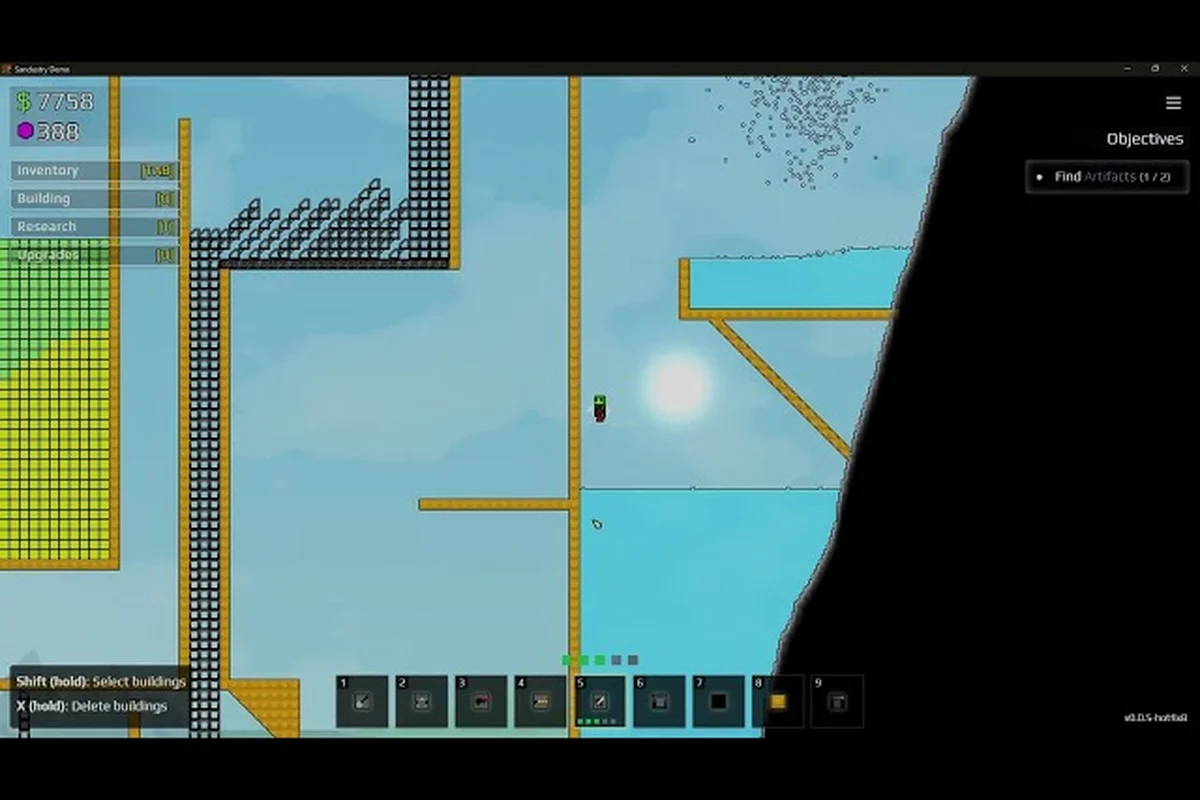
Sandustry How to Melt Ice: Flamethrower Heat for Water
This Sandustry how to melt ice guide uses flamethrowers and heat, then routes the water into production while locating gold and other materials nearby.

Sandustry Slag Guide: Burn Slag for Valuable Resources
Process Sandustry slag by burning it to recover resources, then use mining and sifting to keep seeds, spores and materials flowing through your factory.
Sandustry Snow Collection: Harvest Snow for Water Supply
Harvest snow with a Sandustry snow collection guide and convert it into water, alongside seed farming, spore collection and underground resources.