
Automation
Master Sandustry automation with conveyor belts, filters, drones, pipes, pumps and lifts to build fully self-running production lines in your pixel factory.
Introduction
Automation is the heart of Sandustry. What starts as a single conveyor belt carrying sand to a sifter grows into a layered logistics network where filters separate gold from waste, pumps and pipes route water and steam, drones ferry items across long distances, and lifts push your factory deep underground. Understanding which machine handles which job is the difference between a factory that runs itself and one that demands constant babysitting. Every automation guide in this category focuses on a concrete machine or setup, and together they form a complete toolkit for designing production lines that run unattended while you explore the world.
Automation Machine Reference
| Machine | Function | Best For |
|---|---|---|
| Conveyor Belt | Moves items automatically | Short-distance material transport |
| Filter | Separates valuable resources | Sorting mixed output streams |
| Drone | Flies items across the map | Long-distance logistics |
| Pump + Pipe | Moves water and fluids | Automated water and steam |
| Lift | Vertical item transport | Extending factories underground |
Logistics Machines
Conveyor Belt
The workhorse of every Sandustry factory. Belts move sand, gold and ore automatically over short and medium distances, and they are cheap enough to chain into long lines early. Pairing belts with smart routing is the first real automation skill you will learn, and belt layout quality determines how easily your factory can expand later. This card covers placement, routing and how to leave room for filters and splitters.
Filter
A filter reads the items passing on a belt and diverts only what you ask for. It is essential the moment your production lines start mixing outputs, because hand-sorting mixed belts wastes time and space. Filters turn a messy shared belt into clean, separated supply lines, and stacking them in sequence lets you sort several item types at once with very little floor space.
Drone
Drones fly items over long distances, skipping the sprawling belt corridors that would otherwise cross your whole world. They are the mid-game answer to logistics sprawl and shine when your factory spreads across multiple surface biomes or descends toward underground vaults. Use drones for rare materials and belts for bulk sand to balance cost and throughput.
Pump & Pipe
Pumps draw water from pools and reservoirs while pipes carry it — and later steam — around your factory. Since water is required for so many production chains and sand constantly absorbs it, a reliable automated water supply is a cornerstone of late-game factories. This card covers pump placement, pipe routing and keeping reservoirs healthy.
Lift
Lifts move items vertically, letting you extend production deep underground without building long spiral belt ramps. They are the key to exploiting lower biomes, lava zones and the ancient vaults while keeping your surface factory intact. Plan lift shafts in pairs — one down for ore, one up for processed goods — to avoid bottlenecks.
Core Mechanics
Sandustry's automation loop is recursive: every machine you build produces or transports something that enables a bigger machine, and each logistics layer you add reduces the manual labor of the layer before it. Conveyors remove carrying, filters remove sorting, drones remove distance, and pipes remove the water runs that would otherwise consume your attention. The result is a factory that compounds on itself. Understanding this compounding effect is the key insight of the automation category: you should always ask which task currently consumes your time, and then build the smallest machine that removes that task. This mindset turns automation from a list of machines into a design philosophy that guides every factory you build.
Advantages
The automation depth in Sandustry is a major strength. Because every pixel is simulated, belts, fluids and machines interact with real physics, which makes clever designs feel rewarding. The combination of belts, drones, pipes and lifts covers every logistics need, so you never hit a wall where a system cannot be automated. Long chains can run fully unattended while you explore, which is deeply satisfying. There is also genuine room for creative layouts: no two players build the same belt network, and the physics-based behavior of sand and water means small design choices have visible consequences, making the automation category one of the most rewarding parts of the wiki to study.
Challenges
Automation has a real learning curve. New players often overbuild belts before understanding filters, creating tangled corridors that are hard to change. Fluid automation adds another layer of complexity because sand absorbs water and can drain a poorly planned reservoir. Underground expansion forces you to plan vertical logistics early, or you will spend time tearing up surface layouts to reach the vaults. Because the game is pre-release, exact machine costs and throughput values are still being balanced, so some automation guides describe strategies that may shift after a hotfix. Players should treat production ratios as approximations until the full release stabilizes them.
Frequently Asked Questions
What should I automate first?+
Are drones better than conveyor belts?+
How do I stop sand from draining my water supply?+
Quick Tips
Always leave a spare tile beside belts and pipes so you can insert filters and splitters later without rebuilding — retrofitting is the most time-consuming mistake in factory design. A single empty tile lets you add a filter, a splitter or a corner bend without tearing up the whole line.
Use filters in sequence on shared belts instead of building one dedicated belt per material; a single mixed belt feeding three filters in a row sorts three resources with a third of the floor space. This keeps your factory compact, easy to expand and far less tangled. The result is a clean, efficient logistics network instead of a tangle of parallel belts.
Expand vertically with lifts early; retrofitting a surface factory to reach underground vaults is far more expensive than planning a lift shaft from the beginning of the mid game. Dig your shaft and place your lift before your factory sprawls, and the underground stays accessible. Plan the shaft early and the deep biomes stay within reach whenever you need them.
Featured
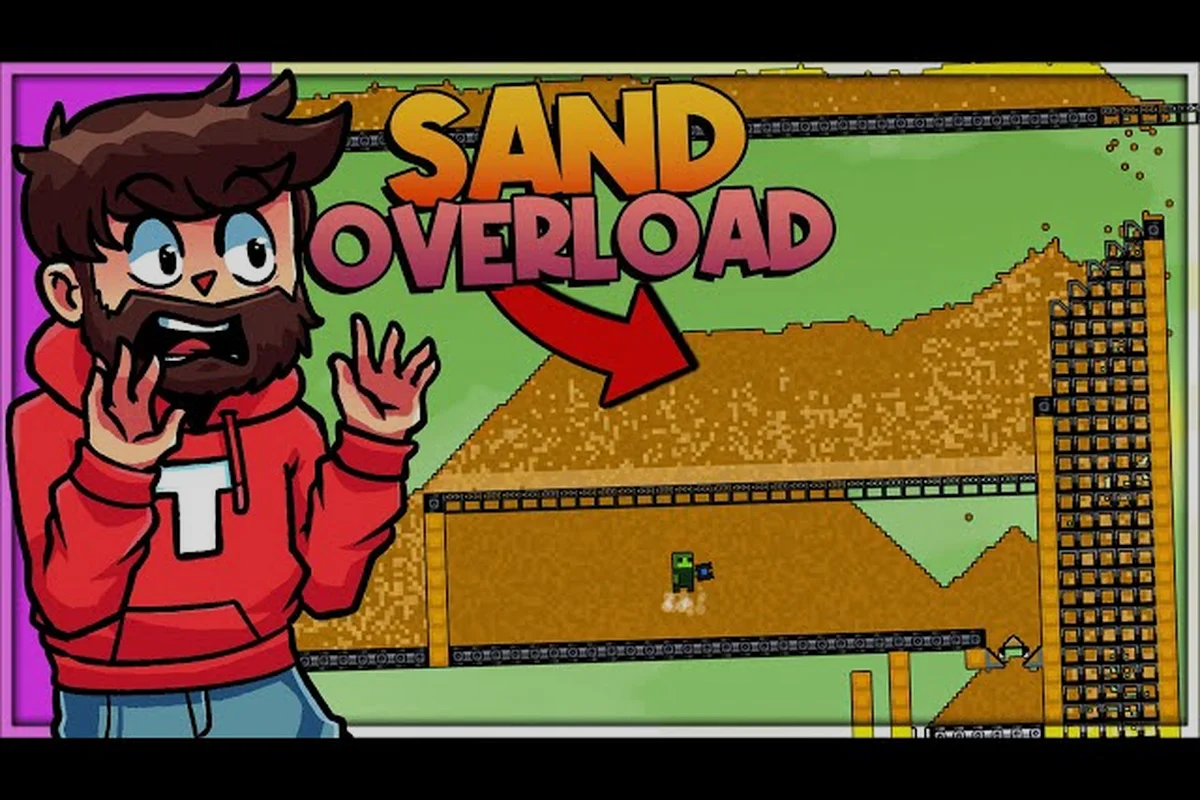
Sandustry Filter Guide: Sort Resources on Conveyor Belts
Use this Sandustry filter guide to sort resources on your belts, with pump and lift setups plus automated farm designs that keep mixed flows clean.
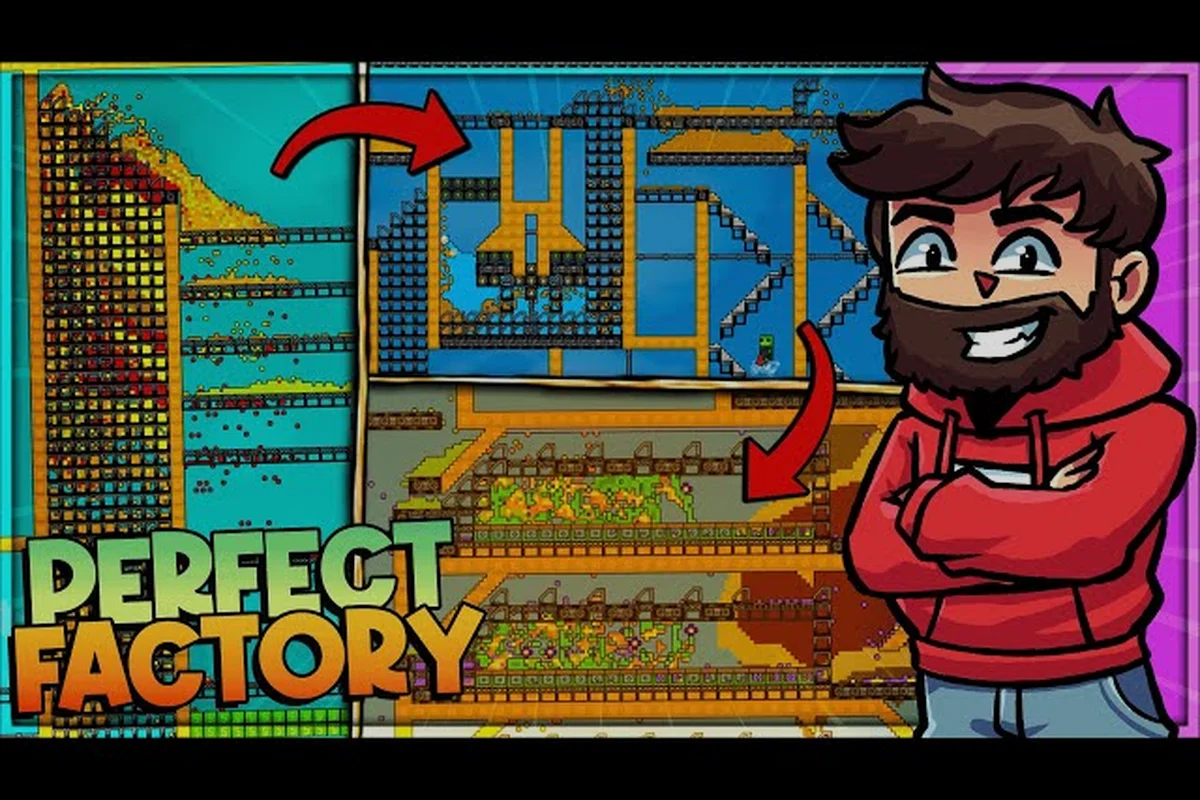
Sandustry Automated Production: Run a Self-Serving Factory
Build a self-running Sandustry automated production line with belts, filters, drones and pumps, plus sorting systems for truly hands-free material flow.
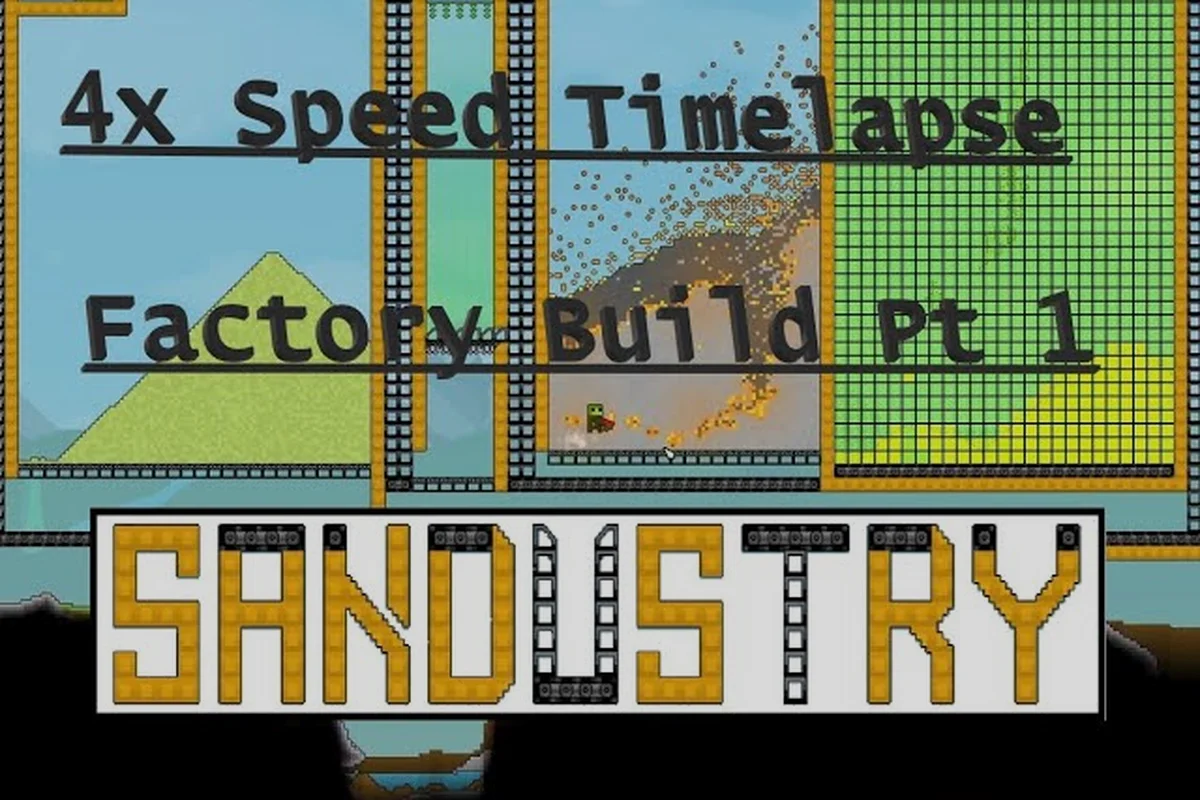
Sandustry Conveyor Belts Guide: Layouts and Design Tips
Design efficient Sandustry conveyor belts with layouts, splitting and throughput tuning that keep your factory flowing and automated mining running nonstop.
All Articles
Sandustry Pipe Layouts: Fluid Routing Designs for Factories
Plan efficient Sandustry pipe layouts with branch, merge and loop designs that route water and steam reliably for large-scale mass production.
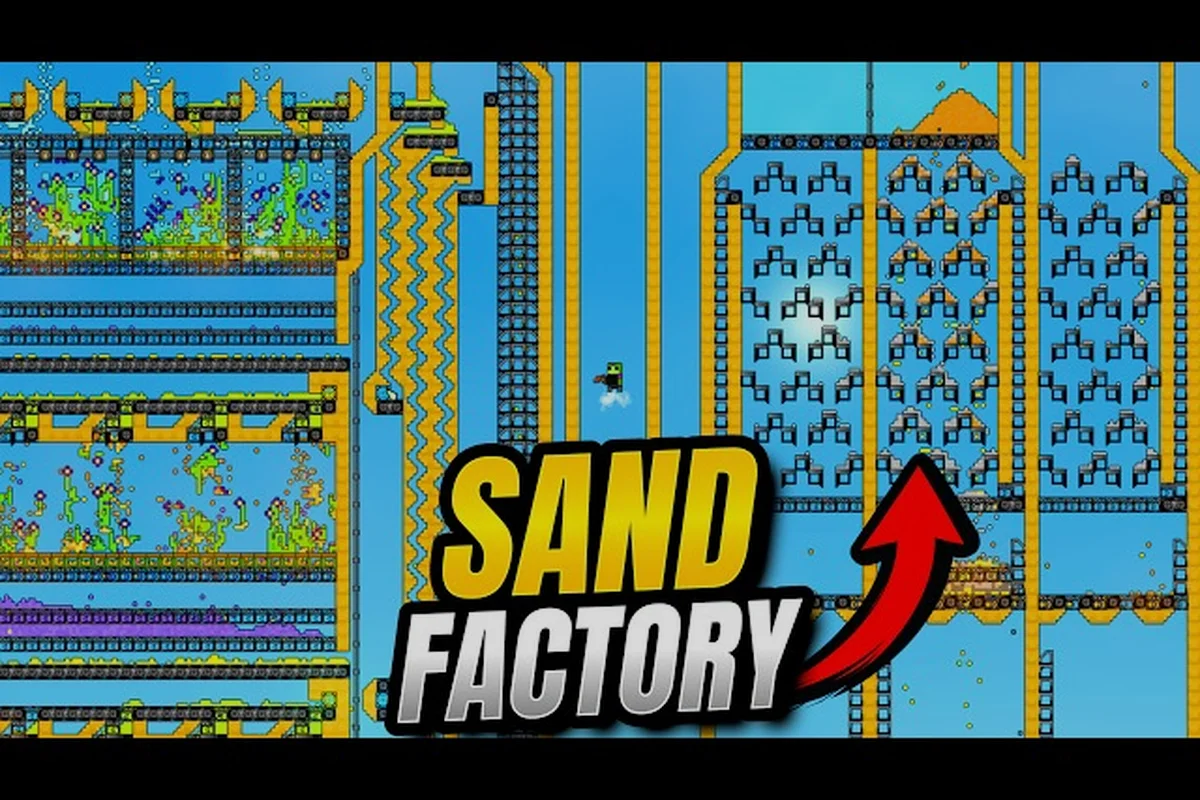
Sandustry Pipe System Guide: Fluids, Pumps and Water Flow
Master the Sandustry pipe system: route fluids, connect pumps and move water across your factory without leaks, clogs or wasted pressure buildup.

Sandustry Production Line Setup: Intake and Finished Goods
Guide to Sandustry production line setup: intake, processing and delivery sections that turn raw sand into gold, glass and steam with clean automation.
Sandustry How to Automate: Manual Mining to Smart Factory
Learn Sandustry how to automate step by step: first belts, sorting, fluid transport and drone logistics that turn manual mining into a smart factory.
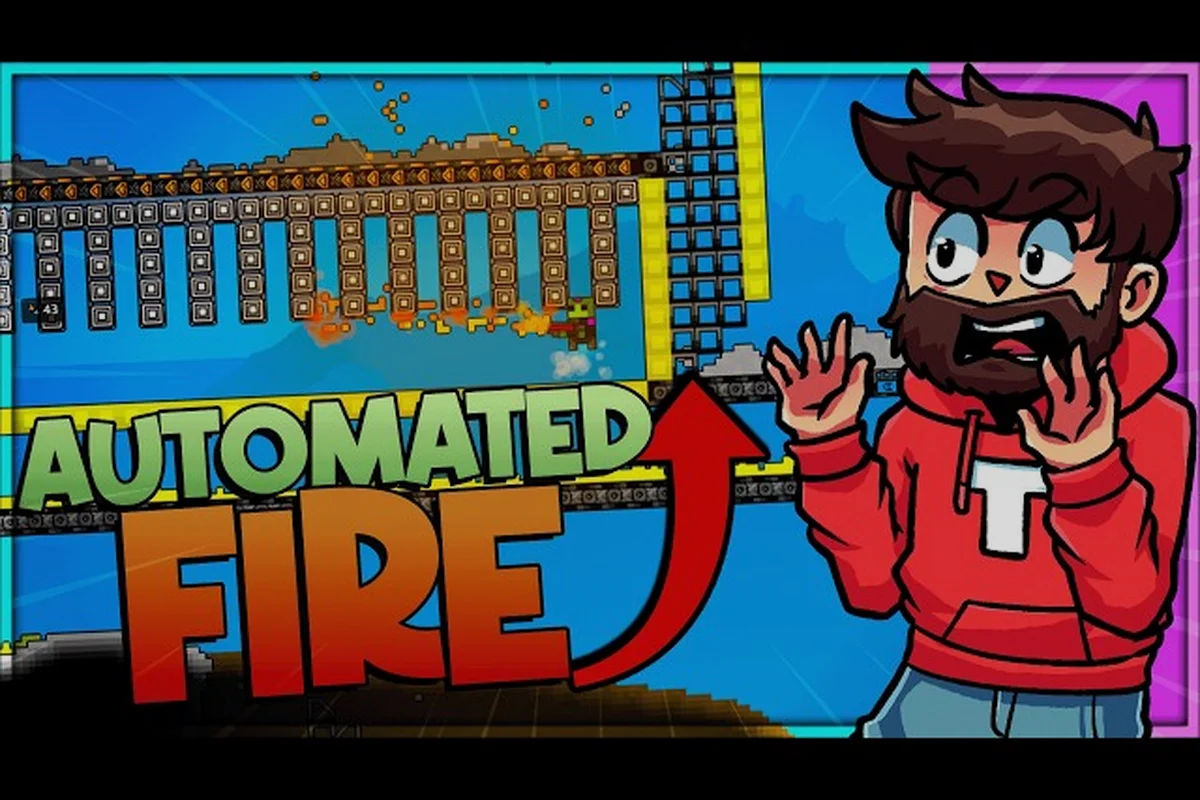
Sandustry Drones Guide: Routes and Long-Distance Logistics
Deploy Sandustry drones for long-distance logistics: route planning, drone networks and cargo priorities that shrink your factory footprint dramatically.