
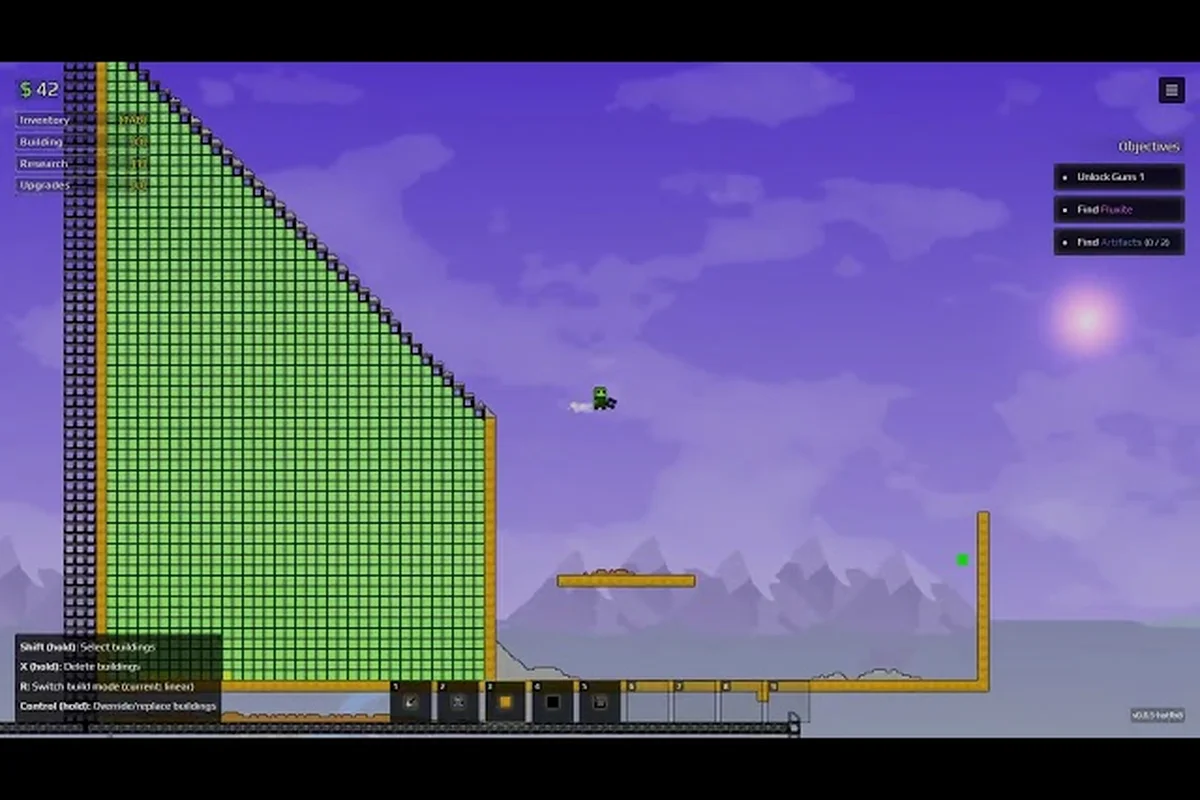
If you have spent any time in Sandustry, you already know that the world is not a static backdrop—it is a living simulation where every pixel behaves individually, from drifting sand to melting ice. Understanding the full Sandustry biome list matters because each environment dictates which materials you can harvest, which hazards you must manage, and where the most valuable secrets are hidden. Get the complete breakdown of every biome, its resource profile, and the strategies that turn a random dig into a deliberate expedition.
The Complete Sandustry Biome List and World Layout
The world of Sandustry is generated procedurally, which means no two playthroughs share the exact same terrain, but the underlying biome structure follows a consistent vertical and horizontal logic. According to community data gathered from the official Sandustry website, the simulation treats each pixel independently, so biomes are defined less by hard borders and more by the dominant material types that cluster together. This makes the Sandustry world layout feel organic while still giving you predictable rules to exploit.
When you start a new run, you typically spawn near the surface where loose sand dominates. Digging down reveals layered strata, and moving laterally across the map introduces temperature shifts and material changes. The biome list below reflects what players have mapped so far, and while the exact proportions vary by seed, the core environments remain consistent.
| Biome | Typical Depth | Dominant Materials | Primary Hazards |
|---|---|---|---|
| Sunlit Dunes | Surface to -20 | Sand, seeds, spores | Low visibility during storms |
| Mossy Caverns | -20 to -60 | Soil, roots, water pockets | Slippery surfaces, flooding |
| Ice Chips Layer | -60 to -100 | Ice chips, snow, frozen water | Rapid melting, cold damage |
| Slag Fields | -100 to -150 | Slag, ash, burnable debris | Heat buildup, toxic fumes |
| Deep Vault Zones | -150 and below | Ancient structures, rare ores | Collapse risk, alien traps |
The Sunlit Dunes serve as your introduction to the game's physics, and they are where you will learn how sand absorbs surrounding water and depletes reservoirs, a mechanic that becomes critical later. The Mossy Caverns introduce water flow and plant life, while the Ice Chips Layer demands that you understand the melting mechanics before you can progress efficiently. If you want to master the full Sandustry cave system, you need to treat each biome as a distinct puzzle rather than a simple resource node.
How to Find Secrets in Each Biome
The question of Sandustry how to find secrets is one that every explorer asks after their first few hours, because the game rarely marks points of interest on the map. Instead, secrets are buried in the terrain itself, and the clues are always tied to the biome's physical rules. In the Sunlit Dunes, watch for patches of sand that do not settle the same way as the surrounding area—these often hide buried caches that contain seeds or spores.
The Mossy Caverns hide secrets behind water flow patterns. If you notice water pooling in a spot that should drain naturally, there is likely a hollow space beneath that the simulation is struggling to fill. Digging into these anomalies frequently reveals root tunnels that connect to larger chambers. Player reports suggest that the Ice Chips Layer conceals secrets inside frozen pockets that only become visible when you melt the surrounding ice, which is why understanding the how to melt ice guide is essential for completionists.
Reading the Terrain for Buried Vaults
The Deep Vault Zones are where the Sandustry vault guide becomes essential, because these areas contain the alien structures that hold the game's most valuable rewards. According to the official Steam page for Sandustry, ice melts to water, water boils to steam that rises and condenses into rain, and slag can be burned and processed further—all of which means that vault entrances are often sealed by environmental puzzles rather than locks.
Look for symmetrical patterns in the rock that do not match the organic noise of the surrounding terrain. These are almost always artificial, and they mark the entrance to a vault. The vaults themselves contain ancient machinery that responds to specific material inputs, so carrying a variety of processed resources is wise. Community testing indicates that vault rewards scale with the depth of the vault, with the deepest chambers offering the rarest alien technology.
Secret Types and Their Rewards
| Secret Type | How to Detect | Typical Reward |
|---|---|---|
| Buried Cache | Anomalous sand settling | Seeds, spores, basic materials |
| Root Tunnel | Water pooling anomalies | Rare plant matter, soil variants |
| Frozen Pocket | Ice density variation | Ice chips, frozen relics |
| Slag Node | Heat shimmer distortion | Burnable slag, rare alloys |
| Ancient Vault | Symmetrical rock patterns | Alien tech, high-tier materials |
The Slag Fields hide secrets in the heat shimmer that distorts the air above buried nodes. If you see the simulation rendering heat distortion in a spot that has no visible fire source, dig there to find slag deposits that burn more efficiently than the surface material. These nodes are valuable because slag can be processed into advanced building materials, and the production line guide explains how to turn raw slag into usable components.
The Sandustry Cave System Explained
The Sandustry cave system is not a single network but a series of interconnected chambers that follow the biome transitions. Caves form naturally where water has eroded softer materials, and they often connect biomes that would otherwise be separated by dense rock. This makes caves the fastest travel routes in the game, but they also concentrate hazards because the simulation's physics behave differently in enclosed spaces.
Water in caves behaves more aggressively because it has nowhere to spread, which means flooding can happen quickly if you breach a water pocket. Steam rises and condenses into rain even underground, creating a weather cycle that can catch unprepared explorers off guard. The Ice Chips Layer caves are particularly dangerous because melting ice releases water that refreezes in unexpected places, potentially trapping you.
| Cave Feature | Biome Association | Exploration Value |
|---|---|---|
| Erosion Tunnels | Mossy Caverns | Fast travel, plant resources |
| Frozen Corridors | Ice Chips Layer | Ice chips, frozen relics |
| Heat Vents | Slag Fields | Slag nodes, burnable debris |
| Ancient Passages | Deep Vault Zones | Vault access, alien tech |
Navigating the cave system requires a different approach than surface exploration because you cannot rely on the sun or landmarks. Instead, you must read the material composition of the walls to determine your location. Sand walls indicate you are near the surface, while ice walls mean you are in the frozen layer, and slag walls signal the deep zones. This material-based navigation is the key to mapping the Sandustry world layout without getting lost.
Biome-Specific Resource Strategies
Each biome in the Sandustry biome list offers a distinct resource profile, and knowing what to harvest where saves you hours of wasted digging. The Sunlit Dunes are the primary source of sand, which is the foundation of the game's crafting economy, but they also contain seeds that can be cultivated for sustainable resource generation. Spores found here are used in advanced recipes, so collecting them early pays off later.
The Mossy Caverns provide soil and root materials that are essential for biological production chains. Water pockets in this biome are valuable because they provide a renewable water source, but you must manage them carefully to avoid flooding your tunnels. The Ice Chips Layer is the only reliable source of ice chips, which are used in cooling systems and preservation mechanics, and the how to get gold guide explains how frozen areas often contain gold deposits that are easier to reach than those in other biomes.
| Biome | Priority Resources | Secondary Resources | Optimal Strategy |
|---|---|---|---|
| Sunlit Dunes | Sand, seeds | Spores, loose minerals | Surface collection, sifting |
| Mossy Caverns | Soil, roots | Water, organic matter | Careful excavation, water management |
| Ice Chips Layer | Ice chips, snow | Frozen relics, gold | Controlled melting, cold protection |
| Slag Fields | Slag, ash | Burnable debris, alloys | Heat management, processing |
| Deep Vault Zones | Alien tech, rare ores | Ancient relics, high-tier materials | Puzzle solving, risk tolerance |
The Slag Fields are the only place where you can reliably harvest slag, and because slag can be burned and processed further, this biome is essential for players who want to advance their production capabilities. The heat management required here is challenging, but the rewards justify the risk. The Deep Vault Zones are the endgame destination, and they require the most preparation because the alien structures contain traps and puzzles that punish careless exploration.
Advanced Exploration Tactics for the Deep Underground
Once you have mapped the surface biomes, the real challenge begins in the deep underground, where the Sandustry cave system transitions into the ancient structures left by a forgotten civilization. This is where the ancient civilization guide becomes your primary reference, because the vaults and their contents are directly tied to the game's lore and procedural generation systems.
The deep zones require a different resource loadout than surface exploration. You need materials that can withstand high temperatures for the Slag Fields, and you need tools that can process ice efficiently for the frozen layers. The simulation's physics become more demanding at depth, and the official simulation rewrite video shows how water flows, ice melts, steam rises, and condensation cycles all intensify in enclosed spaces.
Preparing for Deep Vault Expeditions
Before you descend into the Deep Vault Zones, ensure you have a reliable source of processed materials. The vaults require specific inputs to unlock their treasures, and you do not want to make the journey only to discover you lack the necessary components. Carry a mix of processed sand, refined slag, and preserved ice chips to cover the most common vault requirements.
The vault locations are not random; they follow patterns that correlate with the world seed. Community reports indicate that vaults are more likely to appear near biome boundaries, where the terrain transitions create natural stress points in the simulation. Exploring these transition zones systematically is the most reliable way to find vaults without relying on luck.
Managing Risk in the Deep Zones
The deep underground punishes overconfidence, and the deep underground guide covers the specific hazards you will face. Collapse risk is the most immediate danger because the simulation calculates structural integrity based on material support, and removing too much material in the wrong order can trigger a cave-in that buries you and your resources.
Heat management becomes critical in the Slag Fields, where the ambient temperature can ignite flammable materials in your inventory. The Ice Chips Layer presents the opposite problem, where your tools can freeze and become unusable if you spend too long in the cold. Balancing these environmental pressures while solving vault puzzles is the core challenge of the late game, and it rewards players who prepare thoroughly and adapt quickly.
Frequently Asked Questions
How many biomes are in the Sandustry biome list?
The Sandustry biome list currently includes five primary biomes: Sunlit Dunes, Mossy Caverns, Ice Chips Layer, Slag Fields, and Deep Vault Zones. Each biome has distinct materials and hazards, and the procedural generation system creates variations within each type based on the world seed.
What is the best way to find secrets in Sandustry?
The best approach for Sandustry how to find secrets is to observe the simulation's behavior rather than searching blindly. Anomalous sand settling, water pooling, heat shimmer, and symmetrical rock patterns all indicate hidden content. Digging at biome boundaries also increases your chances of finding vaults and buried caches.
Where are the vault locations in Sandustry?
Vault locations in the Sandustry vault guide are typically found in the Deep Vault Zones, though smaller vaults can appear in other biomes. They are marked by symmetrical patterns in the terrain, and they are more common near biome boundaries. The deepest vaults contain the rarest rewards but require the most preparation.
How does the Sandustry world layout affect exploration?
The Sandustry world layout follows a vertical progression from surface sand through caverns, ice, slag, and finally the deep vault zones. Lateral movement introduces biome variations, and caves connect different layers for faster travel. Understanding this layout helps you plan efficient expeditions and avoid getting lost.
What resources should I prioritize in each biome?
In Sunlit Dunes, grab sand and seeds for early glass and farming. Mossy Caverns yield soil and roots for compost. Ice Chips Layer holds ice chips and gold deposits. Slag Fields are your sole slag source, while Deep Vault Zones hide alien tech and rare ores—prioritize those last.